
THC vs CBD: What’s the Real Difference and Which One Should You Use?
The cannabis plant , Cannabis sativa L., contains hundreds of different chemical compounds. A systematic literature review was conducted and documented in accordance with the Preferred Reporting Items for Systematic Reviews and Meta-Analyses , PRISMA, guidelines . In this regard, it has been reported that HIV-infected cannabis users showed beneficial reductions in systemic inflammation and immune activation in the context of antiretroviral-treated HIV infection , see Table 2, 243,244. For instance, chronic treatment with CBD , 10 mg/kg, i.p., 28 days, reduces nigrostriatal degeneration and neuroinflammatory response and improves motor performance in a Parkinson’s disease rat model.
When in doubt, speak with a healthcare provider or a cannabis specialist who can guide you based on your health history. It’s often used during the day for calm focus or at night to aid sleep—without the mental fog or impairment. They interact with the body’s endocannabinoid system (ECS), which plays a role in mood, sleep, pain, and immune function. CBD (cannabidiol) and THC (tetrahydrocannabinol) are both cannabinoids found in the cannabis plant. By understanding their unique properties and the entourage effect, individuals can make informed decisions about the use of medical cannabis. While THC is still classified as a controlled substance in many jurisdictions, CBD derived from hemp plants with low THC content is often legally accessible.
The extensive range of benefits associated with CBD reinforces its importance as a key component in therapeutic applications. Emerging as a strong option for individuals dealing with chronic pain or inflammatory disorders, CBD can reduce inflammation and manage pain effectively. Research on cannabinoids has opened doors to innovative therapeutic solutions for a wide variety of medical issues.
THC metabolites can be fitness and cannabis wellness trends detected in urine for 3 to 30 days after last use (depending on frequency of use), body fat percentage, metabolism, and hydration levels. CBD isolate carries the lowest risk for drug testing. Full-spectrum cannabis products naturally contain both compounds in varying ratios.
What CBD and THC are
Many patients use THC as an alternative to opioid pain medications, with some studies suggesting cannabis access reduces opioid prescriptions and overdose deaths. This adaptation means you need progressively higher doses to achieve the same effects you experienced initially when receptors were more abundant. The complexity of these interactions makes predicting individual responses difficult since small variations in brain chemistry create large differences in subjective experiences. This dopamine surge creates the euphoric feelings — pleasure, and reward sensations characteristic of cannabis intoxication that make THC appealing recreationally. Cannabis plants evolved producing multiple cannabinoids simultaneously rather than just THC, creating complex chemical profiles we call chemovars or strains. Modern high-THC strains bear little resemblance to cannabis from decades past, which typically contained 5-10% THC before intensive breeding programs increased potency.
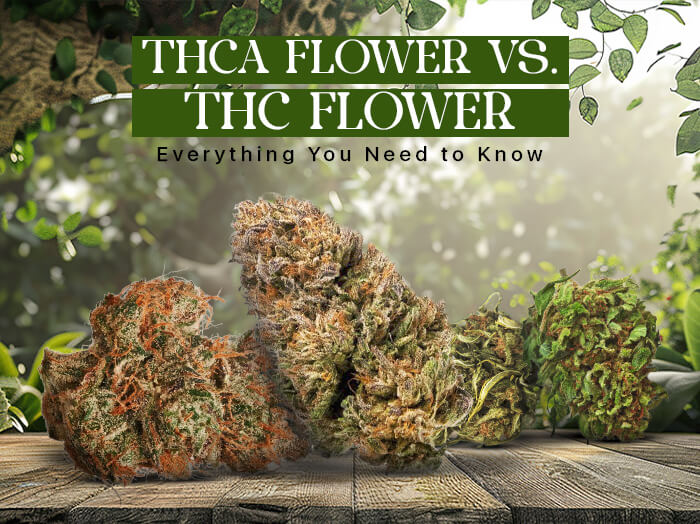
CBD and THC are similar in some ways; however — many people choose to use CBD and avoid THC because they prefer not to feel any intoxicating effects. Just like any other body system (endocannabinoid system dysfunction can be the result of dietary choices), lifestyle factors and other issues. We know that THC works as a chemical messenger, but the role of CBD is a little less clear. It plays a role in maintaining homeostasis, ensuring that the body has a stable and well-functioning internal environment. One of the biggest concerns among CBD beginners is whether or not it causes a “high.” Many people want to take advantage of the many CBD oil benefits, without feeling “out of it” after using it.
What is the difference between THC and CBD?
Virgin Islands, have legalized the use of medical cannabis with high levels of THC. As the legal use of hemp and other cannabis products grows in the United States, consumers are becoming more curious about their options. Scores reflect strength of evidence and magnitude of effect — not absolute potency.
Practical applications and therapeutic advantages.
It’s crucial to engage with healthcare providers before initiating the use of cannabis products, particularly if you’re concurrently administering other medications. Selecting an optimal administration route for CBD plays an integral role in realizing desired therapeutic benefits. For both consumers and manufacturers, navigating this space is vital – it ensures adherence to various state medical cannabis laws while optimizing access to cbd products’ therapeutic potential. The cannabis plant — also known as Cannabis sativa, is a complex species that contains over 100 different compounds known as cannabinoids.

The Main Difference Between CBD and THC
These documents confirm the exact contents of the product you are purchasing. Cannabis products are currently under investigation to determine the best methods for ensuring public safety. One of the most significant—and often perplexing—differences between CBD and THC lies in their legal classifications, in addition to how they affect your feelings. The specific ratio of THC to CBD can influence whether the experience is a more potent high or a gentler therapeutic effect, researchers are discovering. Cannabis science truly excels in this delicate balancing act, helping to achieve more consistent and tailored outcomes. Ultimately, the decision to use CBD or THC for therapeutic reasons boils down to your individual health objectives and personal requirements.
The Certificate of Analysis (COA) should include testing for cannabinoid potency, pesticide levels, heavy metals, and residual solvents. Sometimes referred to as the “entourage effect,” this concept is well-known. The premise is that the cannabinoids (terpenes), and flavonoids found in the cannabis plant interact cooperatively. When using full-spectrum CBD oil, there exists a genuine risk. During the trials for Epidiolex, a signal indicating potential hepatotoxicity was raised, especially at elevated doses.
Consuming these products regularly, particularly in higher doses, may result in sufficient THC-COOH accumulation to cause a positive result on a urine drug test. For patients contemplating medical cannabis (drug testing presents a significant concern), highlighting the critical differences between CBD and THC. In over 38 states, medical cannabis programs permit patients with qualifying conditions to legally obtain THC products with a doctor’s recommendation.

Individual preferences and the specific ailment being treated influence the selection of the delivery method. The endocannabinoid system (ECS) is vital in managing various bodily functions, such as mood, appetite, sleep, and pain perception. The body’s endocannabinoid system (ECS) (a complex signaling network), is influenced by both CBD and THC. CBD and THC are naturally occurring cannabinoids found within the cannabis plant. This post aims to provide valuable insights for health enthusiasts (cannabis users), or anyone curious about alternative medicine, facilitating informed choices. An extensive comparison of CBD and THC will be presented in this guide (emphasizing their health benefits), potential side effects, and legal implications.
The acceptable method of usage (topical, sublingual, oral, or smoked) varies based on the legislation of each country, which we detail in our guide on consuming CBD. This process is outlined step-by-step in our guide for purchasing the finest CBD oil. The choice hinges on whether you desire the so-called entourage effect — which suggests cannabis compounds work in harmony, or prefer to avoid THC altogether. We elaborate on this in our discussion of the differences between hemp and marijuana — and all variants can be found in our guide about marijuana types.
Ultimately, the choice between CBD and THC is based on your intended outcomes. Visualize THC as amplifying your sensory perceptions, making everything feel fresh and exhilarating. Some individuals experience feelings of inspiration (giggles), and a deeper connection to music or art. Its effects are subtler, often described as a sense of tranquility, equilibrium, or mental clarity. Using it can evoke the classic cannabis “high,” a sensation ranging from gentle euphoria and heightened awareness to deep relaxation and a wandering mind. This distinction between the effects of CBD and THC becomes remarkably clear, leading you along two distinctly different paths.
No Comments
Sorry, the comment form is closed at this time.